Call Now for Our Repair Service
call 01236 422 555
Covering all your repair needs

Brakes
These will be inspected to check:
The MILs or dashboard warning lights will also be checked for the ABS, ESC, electronic park brake and brake fluid warning lights.
What do brakes do?
Most people think that brakes stop the car. Wrong! It’s the friction of the tires against the road that slows down and stops a car – the brakes actually stop the wheels from turning. Most modern cars use disc brakes exclusively.
Disc brakes consist of five things:

Tyres are one of the most important parts of your vehicle. If your tyres are worn or damaged it can seriously affect your car’s safety and handling. Not only that, if your tyres don’t meet legal requirements, you could face a fine of £2,500 per tyre and 3 penalty points on your licence. That’s why it’s important to check tyre tread depth, general tyre condition and tyre pressure to ensure your tyres are safe for the roads.
Tread depth must be above the legal minimum of 1.6mm throughout a continuous strip in the centre three quarters of the tread and around the entire tyre circumference.Tyres must be correctly inflated according to the vehicle manufacturer’s recommendations in the vehicle handbook. Over-inflated tyres cause excess wear, shortening tyre life and can result in an uncomfortable ride; under-inflated tyres result in increased fuel consumption and faster wear of the tread shoulders plus increased chance of impact damage.
You should also inspect the general condition of your tyre for any sign of bumps, bulges or cuts which could cause a blow out when driving.
When do my tyres need replacing?
Tyres from £40
Tyre Repairs from £55

What does the clutch do?
Simply put, the function of a clutch is to separate the engine from the wheels, allowing you to change gear and come to a complete stop while the engine is still running.
Signs you may need your clutch replaced:

What does a timing belt do?
The timing belt is the belt that controls the camshafts in your engine, opening and closing valves at just the right time for smooth operation. The timing belt has teeth that turn the camshaft in time with the crankshaft.
What if my timing belt fails?
On some engines, if the timing belt fails, valves will be held open when they should not be and will be struck by the pistons, causing major damage to your engine.
Timing belts should be replaced normally between 60,000 and 90,000 miles dependent on the vehicle. You can find this out in your car manual.
Signs you need your timing belt replaced;
Oil leaking from front of the motor
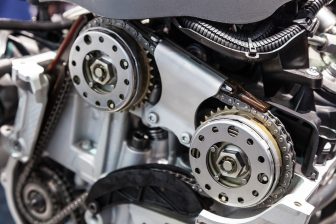
What does a timing chain do?
The timing chain is the chain that controls the camshafts in your engine, opening and closing valves at just the right time for smooth operation. The timing chain has cogs that turn the camshaft in time with the crankshaft.
What if my timing chain fails?
On some engines, if the timing chain fails, valves will be held open when they should not be and will be struck by the pistons, causing major damage to your engine.
Timing chains should be replaced normally between 80,000 and 120,000 miles dependent on the vehicle. You can find this out in your car manual.
Signs you need your timing chain replaced;
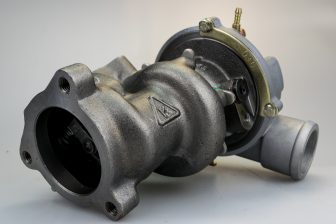
What does a turbo do?
A turbo is a gas compressor. It is used to force air into an internal combustion engine. A turbo is a form of supercharger. It increases the amount of air entering the engine to create more power.
Signs you need your turbo replaced;

What is a cylinder head and what does it do?
A cylinder head is normally located on top of the engine block. It serves as a housing for components such as the intake and exhaust valves, springs and lifters and the combustion chamber. The passages in the cylinder head allow air and fuel to flow inside the cylinder while permitting the exhaust gases to flow out of it. The cylinder head also channels the coolant into the engine block, thereby cooling down the engine components. The cylinder head uses a gasket that helps to prevent water or oil from leaking into the combustion chambers.
The most common problem with cylinder heads is cracks that occur often due to engine overheating. A cracked cylinder head may leak the coolant, due to which the engine will fail to cool efficiently. This results in further overheating of the engine. When a cylinder head cracks, it will also cause the oil to leak into the combustion chambers. This can be detrimental to the engine and can result in costly repairs for the engine. In many of these cases, the entire engine will have to be replaced.
Symptoms of a failed cylinder head
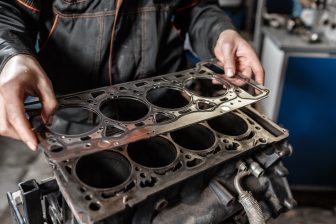
What is a cylinder head gasket and what does it do?
The head gasket is compressed between the engine block and the cylinder head. The head gasket seals in the internal combustion process and also keeps coolant and oil from mixing together as the two fluids travel from the engine block to the cylinder head.
A head gasket can fail for a number of reasons, none of them good. Engine overheating is the most popular culprit. The metal of the engine block and head expands beyond limits during overheating. This expansion can pinch the head gasket to the point where it will fail.
Symptoms of a blown cylinder head gasket;
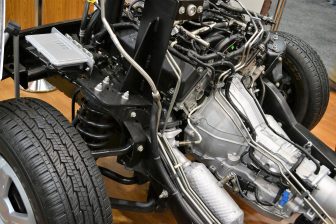
What is the cars suspension and what does it do?
You are able to enjoy a comfortable and smooth ride thanks to your car’s suspension. Vehicle suspension absorbs the lumps and bumps found in every road surface, and allows you to accelerate, brake and take a corner safely. It also helps to keep your tyres in contact with the road. Because the suspension plays such an important role in the overall performance and handling of a car, its components and parts are considered critical safety features, and must be maintained correctly.
Your vehicle suspension is made up of a number of parts including the frame, steering, tyres and wheels. They all work together to improve the overall stability of your car, however, the actual suspension system essentially comprises springs and shock absorbers. Most cars are fitted with four coil springs – one per wheel. When you go over a bump, theses springs will compress and expand to absorb any vertical movement. The shock absorbers, then get rid of any motion left in the spring, which stops the car from bouncing.
The anti-roll bar is another vital component of your suspension system. An anti-roll bar is intended to force each side of the vehicle to lower, or rise, to similar heights, as you drive over uneven surfaces. This also helps to reduce the sideways tilting (roll) of the vehicle on sharp corners.
As these parts wear out or become damaged over time, you’ll notice that the ride feels rougher when driving over defects in the road. Worn shock absorbers can affect your stopping distance by up to 20%, so it’s extremely important to get any problems checked out as soon as possible.
Signs you have problems with your cars suspension;